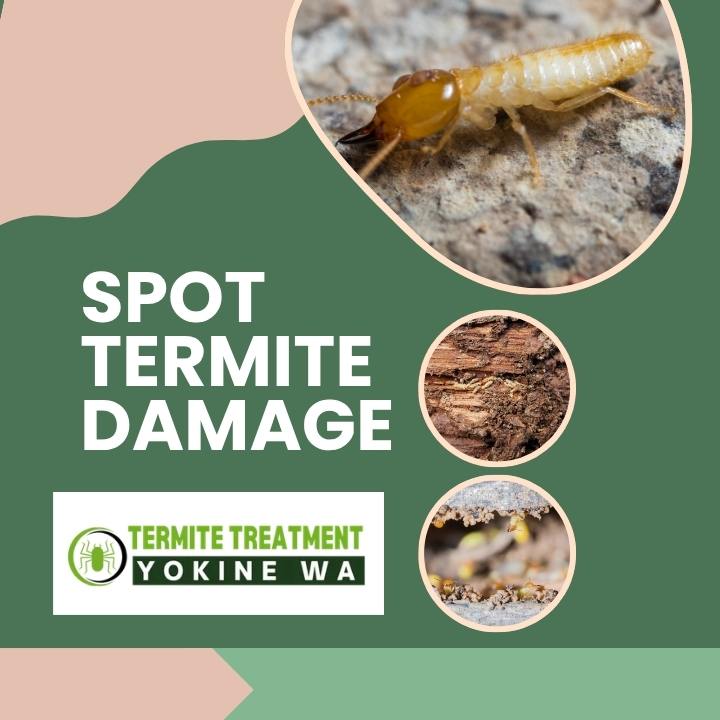
Termite Damage: How to Spot It Before It's Too Late
Termite damage can stay hidden for months or even years. Many homeowners in Perth only notice the problem after termites have caused serious damage to their property. By then, repairs can cost thousands of dollars. That is why it is important to know the early warning signs and act fast.
Perth has a warm climate that supports termite activity throughout the year. These pests feed on timber and other materials that contain cellulose. They work quietly behind walls, under floors, and inside roof spaces. Because of this, many people do not know they have termites until the damage becomes severe.
This guide explains how to spot termite damage before it is too late and what you should do if you find signs of an infestation.
Why Termite Damage Happens
Termites Work Without Being Seen
Unlike other household pests, termites stay out of sight. They build tunnels inside timber and travel through mud tubes to reach food sources. They can weaken the structure of a home without leaving obvious signs on the surface.
Many Perth homes have timber frames, fences, pergolas, decking, or garden structures. These areas can attract termites when moisture and wood are available.
Moisture Makes Homes More Attractive
Leaks around bathrooms, kitchens, roofs, or outdoor taps create ideal conditions for termites. Damp timber becomes easier for termites to attack. Poor drainage around your property can also increase the risk.
Regular maintenance helps reduce moisture problems and makes your home less attractive to termites.
Common Signs of Termite Damage
Hollow-Sounding Timber
Tap wooden walls, floors, door frames, or window frames. Healthy timber sounds solid. If the timber sounds hollow, termites may have eaten the inside while leaving the outer layer untouched.
This is one of the most common signs of termite damage.
Mud Tubes Around Your Property
Subterranean termites build pencil-sized mud tubes to travel safely between their nest and a food source. Look for these tubes on walls, foundations, fences, retaining walls, brickwork, and under your home.
If you find mud tubes, do not break them. Contact a termite professional for an inspection.
Cracked or Bubbling Paint
Many homeowners think bubbling paint means water damage. However, termites can also create moisture as they tunnel through timber. This can cause paint to crack, bubble, or peel.
Inspect painted timber carefully if you notice unusual marks.
Hidden Places Where Termites Cause Damage
Roof Spaces and Wall Cavities
Termites often attack roof timbers because these areas stay undisturbed for long periods. They also move through wall cavities where homeowners cannot see them.
Professional inspections include these hidden areas to detect termite activity early.
Wooden Decks, Fences, and Pergolas
Outdoor timber structures face constant exposure to moisture and soil. This makes them popular feeding areas for termites.
Check for soft timber, small holes, loose boards, and sagging sections. Regular inspections help prevent larger problems.
Floors and Skirting Boards
Timber flooring may become loose, uneven, or weak when termites feed underneath. Skirting boards may crack or break apart with light pressure.
Never ignore changes in your flooring because termites can spread quickly.
How to Prevent Termite Damage
Schedule Regular Inspections
The best way to stop major termite damage is through regular termite inspections. Professional inspectors use specialised equipment to detect termites before they cause serious structural damage.
Many Perth homeowners arrange annual inspections to protect their investment.
Reduce Moisture Around Your Home
Repair leaking pipes, clean blocked gutters, improve drainage, and fix roof leaks as soon as possible.
Dry conditions reduce the chance of attracting termites.
Keep Timber Away from Soil
Store firewood, timber offcuts, and wooden furniture away from your home's foundation. Avoid direct contact between timber and soil whenever possible.
This simple step can reduce the risk of termite entry.
Maintain Your Garden
Trim shrubs away from walls and remove dead tree stumps, fallen branches, and old timber from your yard.
A clean garden gives termites fewer places to hide.
What to Do If You Notice Termite Damage
Do not spray termites with household insecticides. Do not disturb the colony or break open mud tubes. This can cause termites to move deeper into your home, making them harder to eliminate.
Instead, contact a qualified termite control specialist immediately. A professional inspection identifies the source of the infestation and recommends the most effective treatment.
Early action protects your property and reduces repair costs.
Why Perth Homeowners Should Stay Alert
Perth's climate allows termites to remain active during much of the year. Even homes without previous termite problems can become targets.
Routine inspections, good property maintenance, and early detection are the best ways to avoid expensive termite damage. Protecting your home today can save you significant money and stress in the future.
Conclusion
Termite damage rarely happens overnight, but it can grow into a major problem if left untreated. Learning the warning signs, checking your home regularly, and arranging professional termite inspections can help you detect termites before they cause costly structural damage.
If you suspect termite activity or want peace of mind, Elite Termite Treatment Yokine offers reliable pest and termite control services throughout Yokine and surrounding Perth suburbs.
Elite Termite Treatment Yokine provides professional termite inspections, termite treatments, and complete pest control solutions.
Contact: (08) 6275 6584
Website: https://elitetermitetreatment.com.au/
