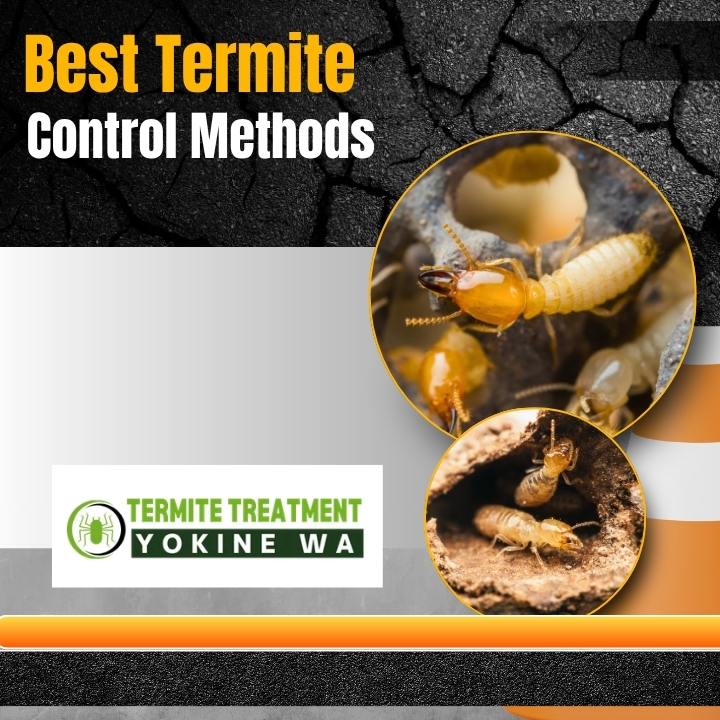
Termite Pest Control Methods That Work for Modern Homes
Termite damage remains unnoticed for many years and becomes critical over time. Most homeowners only become aware of the issue when wood rots or walls begin to crumble. The true problem lies within walls, floors and furniture, where termites remain active both night and day. As the days pass, so does the requirement for smart ways to control pests in modern homes with options that prevent colonies right at the beginning and save structures from costly repairs. Act quickly to minimise damage and protect your home.
Common Termite Pest Control Methods
The control of pests is done when the affected place is detected and treated in a proper manner. A common one is liquid soil treatment. In this type of foundation, the experts put a barrier around the home. This prevents termites from travelling underground into the structure.
Another method is baiting systems. These are around the house where termites eat. The bait contains slow-acting ingredients. They bring it back to the colony with them, and this serves as a means of reducing numbers in the long run.
Wood treatment is also important. Chemicals are directly applied to the wooden surface. This helps make the wood less appetising and more difficult for termites to chew. It proves helpful during the reconstruction or construction phase.
Fumigation is what you turn to when the infestation is severe. It is gas-treated and sealed within the structure. It eradicates termites from deep areas hidden out of sight.
Each method works differently. It is not uncommon for professionals to combine multiple treatments in their practice. At this point, extensive damage is already done, and the choice of how to go about corrective action may become a little easier because the inspection authority helps you in choosing an ideal method before problems spread.
Why Modern Homes Still Face Termite Problems
While modern-day homes can seem strong, they're still very much likely to attract termites. Nests thrive in wood, moisture and hidden areas. Even tiny plumbing leaks can increase humidity, which is one of the termite concerns!!
Plenty of houses also have wood framework, cupboards and flooring. When left unprotected, these materials are little more than easy meals. Cracks, soil contact, or gaps in your foundation are just a few ways termites make their way into your house.
Another pretty big topic is late detection. The damage occurs slowly because termites live within structures. Homeowners usually disregard early indications such as hollowed lumber or mud tubes. Visible damage usually appears when the colonies are already large.
Buildings that are connected and soils tend to be a little spongy, which puts urban areas at even greater risk.
Due to the above, homes are needed to have periodic surveillance and any precautionary medicine as essential. It becomes even more vital, especially in the case of new buildings, to avoid considerable damage even during a few years after completion.
Preventive Steps for Long-Term Protection
The best method of termite control is prevention. The best way to keep your house dry is to fix leaks in bathrooms, kitchens, and roofs as soon as possible. Moist environments attract termites fast.
Clean up your home by removing wood scraps, cardboard, and unneeded furniture. Avoid direct wood-to-soil contact. Always use treated wood to build as much as you can.
Regular inspections are important. The professional pest control can catch the hidden activity at an early stage. This prevents colonies from forming when they are small.
Reducing entry points by sealing holes in the walls and foundations. Proper ventilation of your home will reduce moisture levels and make it less inviting to termites.
These simple habits help reduce risk & protect your home for years.
Elite Termite Treatment Yokine offers all pest control services in Yokine and surroundings.
Feel free to contact us at (08) 6275 6584 or visit our website:
https://elitetermitetreatment.com.au/
