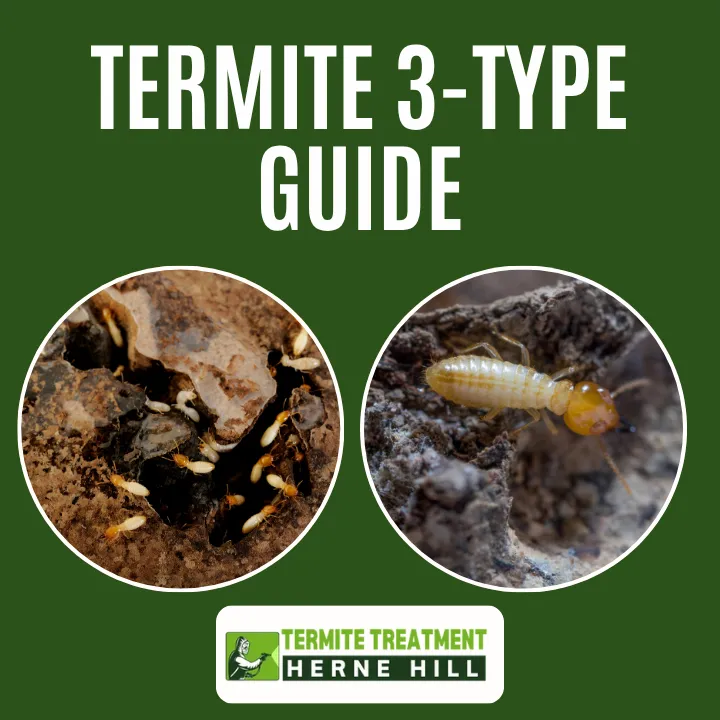
3 Types of Termite Species That Home & Business Owners Should Know
First thing termites eat cellulose, which is a natural compound in almost all plants, wood, and anything made of wood like your furniture. A second large point is that termites live in multi-tiered societies. All of the members of the hive have a job to do; some of them reproduce, while others simply support the hive in a different capacity. Here's a quick breakdown:
The King and Queen: a couple of dark brown things that reproduce. The queen’s abdomen may become enormously distended, and mature colonies can lay dozens of thousands of eggs per day.
Workers: Cream-colored and comprising around 90 percent of the colony’s population, they are the builders and foragers, tirelessly carrying on with the work of nest construction and foraging for food.
Soldiers: With big heads and powerful mandibles, these defenders guard the colony from threatening forces. They appear to be workers, but they have reddish-brown heads.
Swarmers (Alates): These are winged termites, often brown, that fly to new locations to start colonies. They then lose their wings, becoming new kings and queens.
The Three Termite Species You Should Know
Since you know how they work in their social structure, let’s get to know the three termite species that could devastate your property: drywood, subterranean, and dampwood termites.
Drywood Termites
Some termites, but not drywood ones, require a fair amount of water to survive. They spend their entire lives inside of the dried-out wood they eat, therefore they are a threat to untreated furniture and secondhand wooden objects. One way of telling they are around is their frass (tiny oval pellets, which vary in color from white to brown depending on what kind of wood they’re munching). These pellets frequently collect around their nests and appear as small mounds of salt and pepper. If you see these near your wooden structures then it’s a definite red flag to bring in professional termite control.
Subterranean Termites
As indicated by their name, subterranean termites live down beneath the ground. They like to be wet, so they do well in soil and dirt. They are the most prevalent type of termites. What these termites construct are mud tunnels of soil, saliva, wood, and droppings. These you may see as long, roach-shaped brown lines, wending their way across the foundation or walls of the building. They then travel inside these tubes to move around while avoiding the sunlight. Given that underground termites can grow out and down their colonies at lightning speed, waiting to treat them will only make those damages spread. With professional extermination services, that doesn’t have to happen.
Dampwood Termites
As the name suggests, dampwood termites look for moist areas. They typically take up residence in moist ground, water-soaked wooden fences, furniture and beams. They will even invade wall cavities that are near leaks, gutters or other areas with poor drainage. Unlike subterranean termites, dampwoods do not construct mud tubes; they take up residence completely inside the wood they feed on. Keeping your home dry inside and out and in good condition, repairing leaks, trimming shrubs, and getting rid of mulch and rotted wood is crucial in preventing them from spreading.
Effective Termite Control: What You Need to Know
Termites live underground and inside walls, to stay as hidden from the sun as possible, and can go unnoticed for years causing destruction in total silence. DIY methods are often ineffective so it’s best to seek out professional pest controllers who have the training and special treatments necessary to eradicate these invaders once and for all.
Termite damage can lead to:
Cracks in the framework
Deterioration of the stability of your building, leading to collapse in some cases
Visible mud tubes and termite droppings (frass) may be found
Allergens from termite droppings
Doors and windows that are stuck or function poorly
The costs of repair, renovation, or replacement are extremely high
A termite expert will first perform a comprehensive site inspection to determine the species of termite and the level of infestation. They will bring in the latest equipment and technology to achieve accurate detection and will use the most appropriate treatment plan. Regular follow-up inspections and continued monitoring make sure the termites do not make a return visit.
And it’s essential to keep in mind that termite control is not only about treatment, it’s about prevention. Professionals will help you keep your environment dry, limit wood and cellulose contact, and eliminate rotting wood. Termites are no joke and early termite inspections can save you a lot of headache later.
Acting before they can establish a foothold and knowing these five key termite facts is key to protecting your property's value and your peace of mind. If tiptoeing around a termite issue, don’t hesitate to reach out to a professional and ensure your home or business is not infested with termites.
Eagle Termite Treatment Herne Hill offers all pest control services in Herne Hills and surroundings. Feel free to contact us at (08) 6275 6507 or visit our website:
