Drywood Termites and Subterranean Termites — What’s the Difference?
Termites are one of the most problematic pests that a homeowner can encounter as they eat through wood. Though there are something like 2,750 species of termites around the world, only a few of them cause problems by invading our homes. The two most likely vermin you’ll hear mentioned are drywood termites and subterranean termites. Let’s parse how these two are different and spot them before they do significant damage.
What Are Drywood Termites?
Drywood termites are rarer than subterranean termites, usually in coastal or humid environments. Unlike many of the termites that must remain near water, drywood termites receive all of the water they require directly from the wood they consume. For this reason, they don’t have to live in soil or create mud tunnels.
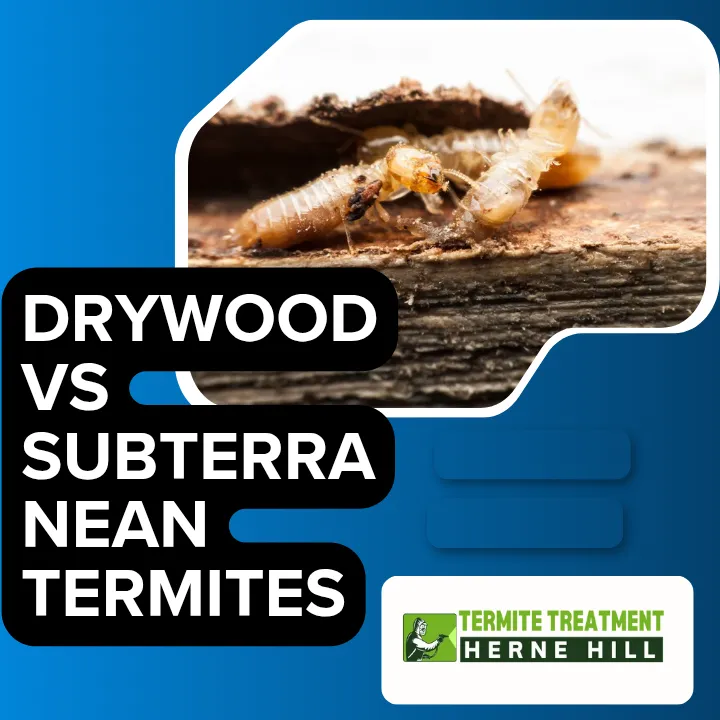
Drywood termites are very similar, in appearance, to subterranean termites. Both have cream-colored white or light brown bodies and can sometimes appear slightly translucent. One difference? Drywood termites generally are a little larger than their subterranean counterparts.
If you notice small piles of sawdust-like pellets scattered on the floor or near wooden structures, that’s a big red flag. The pellets may be either white or colored and resemble coarse grains or pellets.
What Are Subterranean Termites?
Underground termites are the most prevalent and damaging subterranean invader in the world. They like dirt because, to survive, they need moisture. Subterranean termites do not eat the harder summerwood, and also tunnel along the grain of the wood.
Workers of both termite species appear very similar, small and pale. But the heads of soldier subterranean termites are large and yellowish brown, and their flying termites (called alates) are dark brown or black.
The most typical symptom is mud tubes that travel up the former home’s foundation or the walls of his home. These mounds are constructed of soil, wood bits, saliva and termite droppings. They are typically brown, dark brown and appear as small tunnels or trails.
You may spot them around your house where the home meets the ground or inside floor joints.
How to Get Rid of Termites and Prevent Them
If you see evidence of subterranean termites, your bets will be best placed on calling in professional pest control rather than trying it as a DIY job. Termite colonies develop quickly, and DIY solutions generally kill only a few termites, without addressing the whole colony.
Professional treatments you may consider (including as an alternative to home remedies) include the following:
Termite Monitoring & Baiting
Special monitoring stations are installed at various points around your home to discover termites early. Once termites discover the bait, it's laced with a slow-acting toxicant that blocks the soldiers from producing a special growth inhibitor that the young termites thrive on, they'll take be back to the colony. This halts termite development and slowly kills off the whole colony. This is an excellent preventive approach for early detection and ongoing prevention.
Liquid Barrier Treatment
This means drilling small holes around the perimeter of your property to inject a liquid termiticide into the soil. The termiticide creates a lethal barrier, so when the termites tunnel in the treated zone, they come in contact with a lethal agent and carry the substance back into their colony, which in time eliminates the infestation.
Tips to Prevent Subterranean Termites
Repair any leaking pipes or dripping air conditioners so that water does not collect near your home.
Wooden furniture should be kept dry and maintained properly.
Keep your garden neat and clear your yard of mulch and plants up to a few meters from your house.
Seal voids and openings in walls and foundations to keep termites out.
Frequently Asked Questions
How serious can subterranean termites get?
Subterranean termites reproduce quickly and can number in the thousands. They work around the clock, causing extensive damage that can spread throughout your home and even neighbouring properties.
Can I treat subterranean termites myself?
DIY methods rarely solve the problem. They often only kill a small number of termites and don’t eliminate the colony. Professional treatments are more effective at removing the root cause and preventing future infestations.
How do I identify a subterranean termite nest?
Subterranean termites build nests underground and create mud tunnels that extend to their food sources. You’ll usually see these mud tubes at ground level where your home meets the soil. The nests themselves are hidden underground and rarely seen.
Eagle Termite Treatment Herne Hill offers all pest control services in Herne Hills and surroundings. Feel free to contact us at (08) 6275 6507 or visit our website:
