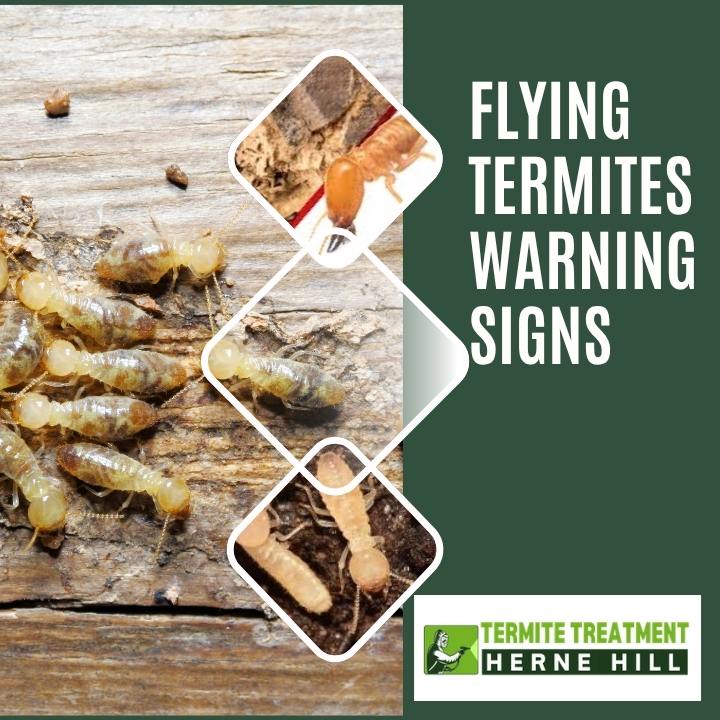
Flying Termites Around Your Home May Signal a Bigger Problem
When you spot a few flying termites buzzing around your home, it might seem like a harmless seasonal annoyance; unfortunately, whenever there are flying termites, it is often an indication that somewhere there is an active colony of termites nearby. Winged termites are also called termite swarmers or alates. These winged termites exit an active colony to breed and create new colonies. Your home may require a termite inspection if you are seeing termites indoors around windows, doors, or lights, on wooden trim, or on your foundation.
What Are Flying Termites?
Flying termites are reproductive termites. They typically appear in warm, moist climates, often after the rains. Their primary function is to exit the colony, locate a single partner, lose their wings, and develop a new hive.
A lot of homeowners mix up flying termites with flying ants. Swarmers have straight antennae, wings of equal size and a wider waist. Flying ants frequently have deformed antennae, disproportionate wings and a pipette-like neck. This difference is important because termites eat cellulose, which can be found in wood, paper, cardboard and other plant-derived materials.
Why Flying Termites Are a Warning Sign
Seeing flying termites outdoors does not always prove that your home has an infestation. The swarmers that are mocking you by buzzing around inside your home are much more alarming. They can originate from walls, wooden beams, floors, basement areas under slabs of concrete or completely broken wood.
It is worth noting that the actual destruction of the property is not done by termite swarmers. Worker termites do. These workers chisel out of sight, gnawing on wood silently. When flying termites are present, the colony may have already matured. Clipped wings left on windowsills, floors, baseboards or around light fixtures should not be overlooked.
Common Signs of a Termite Problem
The flying termites are just one of the clues. Search the other Signals in your house before destruction spreads.
If they are chewing their way into your house, you might find mud tubes along the foundation, basement walls, or crawl space supports. The tubes act as highways for subterranean termites moving wood to the ground. You might also notice wood that sounds hollow, paint that bubbles or peels off, a door that seems hard to close and open, or areas of soft flooring or small heaps of termite waste.
The risk is raised by moisture issues. Since termites need moisture, shelter, and food to survive, reducing these factors can reduce your risk of a termite infestation in your property.
What You Should Do Next
Schedule a professional termite inspection. The inspector can then inspect the foundation, crawl space, attic, wooden framing and other areas where moisture may accumulate, such as exterior walls or soil in contact with those same exterior walls. If they find any activity, they might suggest bait stations, liquid soil treatment, wood treatment and correcting moisture or structural problems.
How to Reduce Future Termite Risk
Remove firewood, cardboard, mulch and wood debris from exterior walls. Fix plumbing leaks quickly. Improve drainage around the foundation. Make sure to clean gutters and seal cracks, and do not make wood-to-ground contact.
While flying termites appear harmless, they are actually an indication that something isn't right in or near your home. These simple tips can help you limit the damage and secure the structure.
FAQs
Are flying termites dangerous?
Flying termites do not bite people, but they can signal an active termite colony.
Why do flying termites appear suddenly?
They swarm when weather conditions help them mate and form new colonies.
Should I call pest control for flying termites?
Yes, especially if you see them indoors.
Eagle Termite Treatment Herne Hill offers all pest control services in Herne Hill and surroundings.
Feel free to contact us at (08) 6275 6507 or visit our website:
https://eagletermitetreatmentherne.com.au/
